

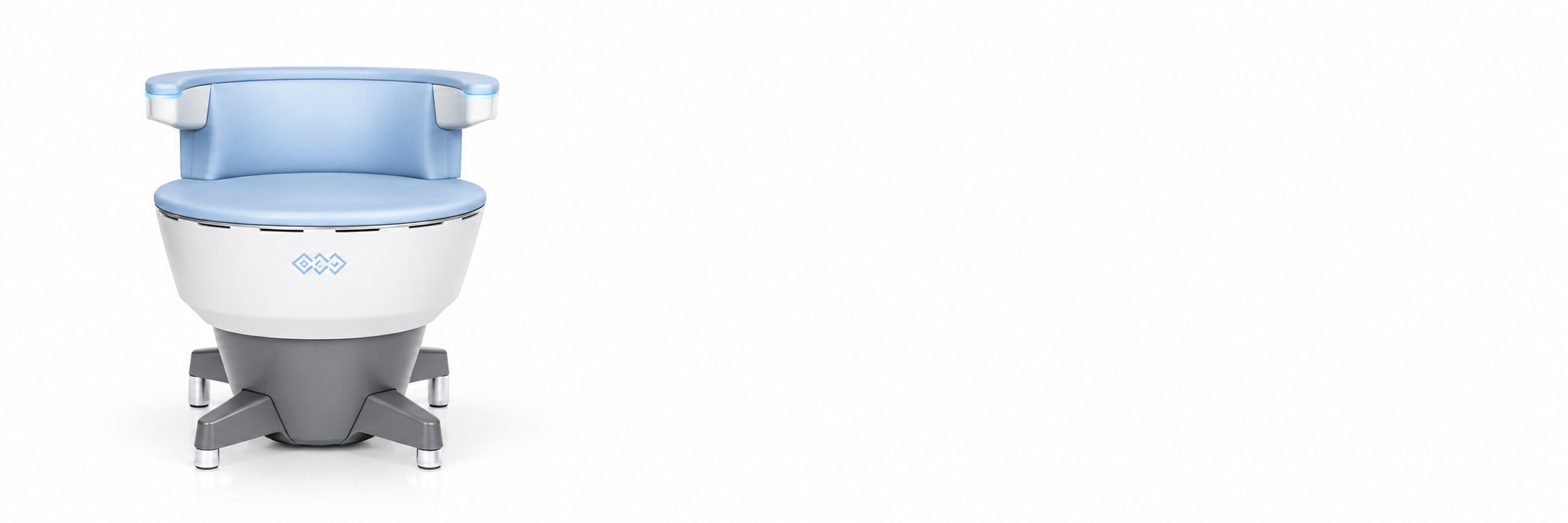
EMSELLA uses a high-intensity focused electromagnetic field to stimulate pelvic-floor muscle contractions while a person remains clothed and seated. The FDA-cleared prescription device is intended for rehabilitation of weak pelvic muscles and restoration of neuromuscular control in the treatment of urinary incontinence in women and men.
The short version
A convenient treatment can still require a careful diagnosis.
Urinary leakage may be related to stress incontinence, urgency incontinence, mixed symptoms, infection, medication effects, pelvic-floor coordination, neurologic conditions, prostate treatment, or other medical causes. EMSELLA does not identify the cause. The right first step is a confidential history and appropriate clinical evaluation.
Why the type of bladder symptom matters
Stress urinary incontinence often means leakage with coughing, laughing, lifting, running, or other activity that increases pressure on the bladder. Urgency incontinence is associated with a sudden, difficult-to-control need to urinate. Some people experience both, which is called mixed incontinence.
These categories matter because treatment plans differ. The American College of Obstetricians and Gynecologists notes that care may include lifestyle changes, bladder training, pelvic-floor exercises, pelvic-health physical therapy, medication, support devices, or surgery, depending on the type of incontinence and the person’s goals. The AUA/SUFU guideline similarly emphasizes discussing observation, pelvic-floor muscle training, other nonsurgical options, and surgical treatment for stress incontinence.
EMSELLA can be considered within that broader conversation. It should not be framed as a universal replacement for pelvic-floor physical therapy, medical evaluation, or another indicated treatment.
How does EMSELLA work?
The chair contains a coil that produces a focused magnetic field. According to the FDA 510(k) summary, the field initiates electrical activity in neuromuscular tissue, producing muscle contractions. BTL calls its platform HIFEM®, or high-intensity focused electromagnetic technology.
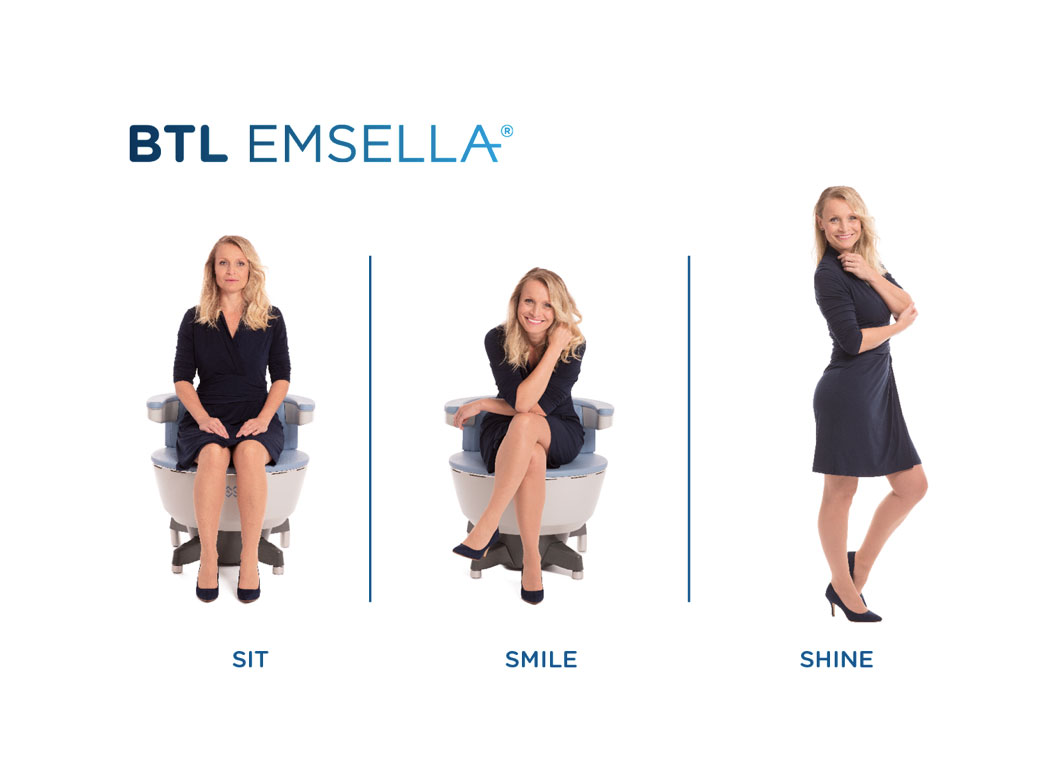
Treatment is performed through clothing without an internal applicator. The provider positions the patient on the chair and gradually adjusts intensity. People commonly describe tingling and strong, rhythmic pelvic-floor contractions. BTL describes each visit as about 30 minutes and a typical starting course as six sessions scheduled twice a week, but an individual plan may differ.
What does the research show?
A 2025 systematic review found encouraging—but heterogeneous—results
A systematic review and meta-analysis published in Neurourology and Urodynamics included seven studies of HIFEM in women with urinary incontinence. The pooled analysis reported fewer incontinence episodes and improved ICIQ-UI SF symptom scores compared with controls. The authors also found no major safety issue highlighted across most included studies.
The same review warned that the studies were highly heterogeneous and potentially biased. Protocols, patient groups, controls, and outcomes varied, and the authors called for better-blinded, standardized, high-quality trials before drawing firm conclusions about applicability.
A newer 2026 randomized trial adds useful short-term data
A randomized controlled trial published in July 2026 enrolled 44 women with stress urinary incontinence. Both groups performed pelvic-floor muscle training; one group also received HIFEM. After correction for multiple comparisons, the combined HIFEM-plus-training group had greater improvement in selected pelvic-floor EMG measures and the UDI-6 symptom score. Other outcomes did not remain statistically significant after correction.
This study supports the possibility that HIFEM may be a useful adjunct to exercise-based conservative care. It does not prove that EMSELLA replaces pelvic-floor muscle training, works for every type of incontinence, or produces durable results in all patients.
Earlier sham-controlled data support a physiologic effect
A 2020 randomized, single-blind sham-controlled study found higher short-term pelvic-floor EMG activity after high-inductive electromagnetic stimulation than after sham treatment. That study evaluated immediate muscle-activity changes after a single session; it was not a long-term trial of symptom resolution.
Evidence boundary
“Promising” is more accurate than “proven for everyone.”
The evidence base includes small samples, different electromagnetic devices and protocols, variable symptom types, short follow-up, and inconsistent outcome measures. Some studies evaluate muscle activity rather than day-to-day leakage. Long-term durability, ideal maintenance schedules, and which patients benefit most remain incompletely defined.
What should an EMSELLA visit in Bellevue include?
A private screening conversation
A responsible consultation reviews when symptoms occur, urgency and frequency, pregnancy and childbirth history, prior pelvic or prostate procedures, pain, infections, medications, implanted devices, and previous treatment. Symptoms that are new, rapidly worsening, painful, associated with blood in the urine, fever, difficulty emptying the bladder, or neurologic changes require appropriate medical evaluation.
Clear expectations during treatment
You remain clothed and sit on the EMSELLA chair. The intensity is increased gradually. Strong contractions are expected, but uncomfortable pain is not; BTL advises stopping and telling the provider if pain occurs. The manufacturer states that treatment should not be applied in people with electronic or metal implants.
Reassessment—not automatic promises
Progress can be followed with symptom frequency, pad use, validated questionnaires, activity goals, and quality-of-life changes. Individual results vary, and some people may need pelvic-health physical therapy, medical treatment, a specialist referral, or a combined plan.
Bellevue · Seattle Eastside
Pelvic wellness deserves
a private conversation.
Muse MedSpa offers BTL EMSELLA consultations in Bellevue for appropriate adults. We will review your symptoms, health history, goals, precautions, evidence, and alternatives before recommending a plan.
Common questions
What patients often ask
What is BTL EMSELLA intended to treat?
The FDA-cleared prescription device is intended to provide entirely non-invasive electromagnetic stimulation of pelvic-floor muscles for rehabilitation of weak pelvic muscles and restoration of neuromuscular control in the treatment of male and female urinary incontinence.
Is EMSELLA the same as doing Kegel exercises?
No. Pelvic-floor muscle training is an active exercise program that teaches coordinated contractions and relaxation, often with a pelvic-health physical therapist. EMSELLA uses a magnetic field to create involuntary muscle contractions while you sit. They may be discussed as complementary tools, but one should not automatically be presented as a replacement for the other.
How long is an EMSELLA appointment?
BTL describes sessions as approximately 30 minutes, with a typical manufacturer protocol of six sessions scheduled twice weekly. Your evaluation, appointment timing, and treatment plan may differ.
Do I remain clothed during treatment?
Yes. The treatment is performed while you sit fully clothed on the chair; it does not require an internal applicator.
Is there downtime?
BTL describes no planned downtime and says normal daily activities can usually resume immediately. Sensation and response vary by person.
Who should not receive EMSELLA?
BTL states that treatment should not be applied in people with electronic or metal implants. A provider should also review pregnancy or possible pregnancy, recent procedures, pelvic pain, new or worsening urinary symptoms, and relevant medical conditions before treatment.
Can EMSELLA diagnose the cause of bladder leakage?
No. Stress, urgency, and mixed incontinence can require different evaluation and care. New, painful, sudden, worsening, or unexplained urinary symptoms should be assessed by an appropriate licensed medical professional.
Sources and further reading
- BTL: EMSELLA official U.S. patient information, accessed November 16, 2026.
- U.S. FDA 510(k) database: HPM-6000UF, K181497, updated November 9, 2026.
- U.S. FDA 510(k) summary: HPM-6000UF intended use, technology, and side effects.
- Leonardo K, Rahardjo HE, Afriansyah A. Noninvasive HIFEM therapy in women with urinary incontinence: systematic review and meta-analysis. Neurourology and Urodynamics. 2025;44:424–433.
- Comparison of HIFEM therapy and pelvic-floor muscle exercises in women with urinary incontinence: randomized controlled trial. 2026.
- Assessment of short-term effects after high-inductive electromagnetic stimulation: randomized sham-controlled study. Journal of Clinical Medicine. 2020.
- American College of Obstetricians and Gynecologists: Urinary Incontinence.
- AUA/SUFU Guideline: Surgical Treatment of Female Stress Urinary Incontinence, amended 2023.
This article is general education, not medical advice, diagnosis, or a promise of improvement. Individual results and treatment experiences vary. A qualified medical professional should evaluate urinary symptoms, candidacy, contraindications, risks, benefits, alternatives, and the appropriate treatment plan.