

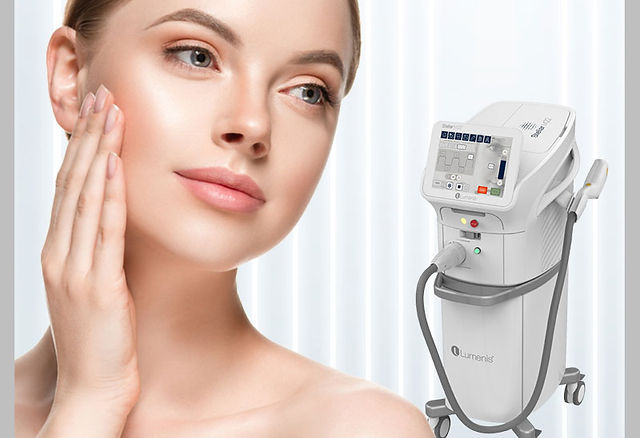
Stellar M22 IPL sends a controlled spectrum of filtered light into skin. Different wavelengths and pulse structures can emphasize different chromophores—primarily hemoglobin in vascular concerns and melanin in superficial pigment. That flexibility is useful, but it also means a safe, thoughtful treatment begins by identifying what the color actually represents.
The short version
Color is a clue, not a diagnosis.
A red mark may reflect diffuse erythema, a visible vessel, inflammation, or another condition. A brown mark may be a freckle, solar lentigo, post-inflammatory pigment, melasma, or a lesion that needs medical evaluation. IPL should not be used to “erase” an undiagnosed spot.
How does Stellar M22 IPL work?
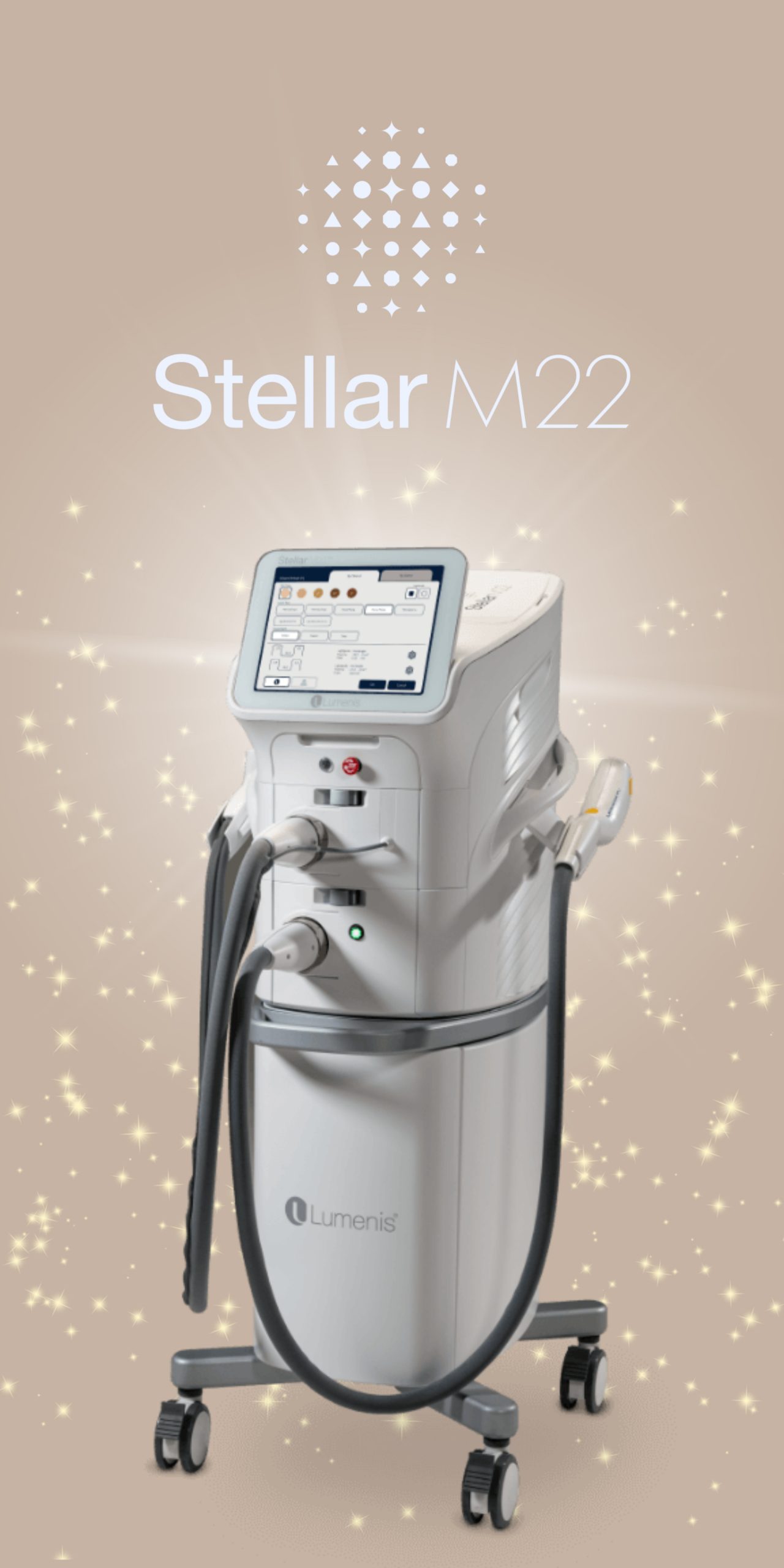
Unlike a laser, which emits a specific wavelength or narrow wavelength range, intense pulsed light is polychromatic and noncoherent. The Stellar M22 IPL handpiece produces light across a broad spectrum and uses interchangeable filters to shape what reaches the skin. The FDA’s 2025 510(k) summary describes a 400–1200 nm IPL spectrum with multiple filters and light-guide sizes.
Selected wavelengths are absorbed by chromophores. In vascular treatment, hemoglobin is the intended target. In superficial pigment treatment, melanin is a principal target. Absorbed light becomes heat, creating a controlled effect in the target while the treatment plan seeks to limit unwanted heating of surrounding tissue.
Lumenis describes its pulse-control approach as OPT™ or AOPT. The practical goal is not simply “more energy”; it is controlled delivery across sub-pulses, with filters, fluence, pulse duration, delays, cooling, and spot size selected for the concern and patient.
For redness and visible vessels, the target is vascular
Facial flushing, persistent background redness, and telangiectasias are related but not identical. When IPL is used for an appropriate vascular concern, filtered light is selected to heat hemoglobin within visible vessels. The body then gradually clears or remodels the treated vascular structures.
The Stellar M22 FDA clearance includes benign cutaneous vascular lesions such as facial telangiectasias, erythema of rosacea, angiomas, spider angiomas, and poikiloderma of Civatte. That is a regulatory indication, not a guarantee that every red condition is appropriate for IPL.
A 2026 systematic review evaluated 20 studies of pulsed-dye laser or IPL for cutaneous and ocular rosacea. The review found improvement in erythema and telangiectasia after multiple sessions across the included studies. Still, devices, protocols, endpoints, and patient groups differed. Rosacea is also chronic; light treatment may address vessels or persistent color, while triggers, skin care, and medication may remain part of care.
For brown spots, the target—and the diagnosis—are different
Freckles and solar lentigines are usually discrete accumulations of epidermal pigment related to genetics and ultraviolet exposure. When appropriate IPL wavelengths are absorbed by melanin in these lesions, spots may temporarily darken before gradually flaking or fading.
A 2025 systematic review of 41 clinical trials involving 3,234 participants examined treatments for solar lentigines. Reported success rates for IPL ranged from 74.6% to 90%. Those figures should not be treated as a personal forecast: definitions of success, devices, settings, follow-up, and study quality varied.
Melasma is not simply a collection of sun spots
Melasma is chronic and relapse-prone, with pigment influenced by light, heat, hormones, inflammation, and genetic susceptibility. Although the Stellar M22 clearance lists melasma among benign epidermal lesions, IPL can be inappropriate for some patients and may trigger rebound or post-inflammatory pigment change. A comprehensive melasma plan may prioritize daily photoprotection, topical therapy, trigger management, and carefully selected procedures rather than treating every brown area with the same device.
What does the broader IPL evidence show?
A 2021 systematic review of IPL for skin rejuvenation included 16 studies and 637 participants, mostly Fitzpatrick skin types I–IV. The studies reported improvements across concerns including telangiectasia, erythema, lentigines, hyperpigmentation, texture, and photoaging scores. Participants received an average of 4.29 sessions, but protocols varied widely.
The important limitation: nine of the included studies were rated as methodologically low quality, and the review found no consensus on treatment parameters. “IPL works” is therefore too broad a conclusion. Evidence depends on the condition, device, settings, outcome measured, and person treated.
Evidence boundary
One platform does not make every module equivalent.
IPL primarily addresses selected vascular and pigment targets. ResurFX is a separate 1565 nm non-ablative fractional laser module used for resurfacing and soft-tissue coagulation. Texture, scars, pores, redness, and brown spots may overlap visually, but they do not automatically call for the same technology.
Why skin tone, sun exposure, and pigment history matter
Melanin is both a treatment target and a competing chromophore. In more melanated skin—or recently tanned skin—epidermal melanin can absorb more light, narrowing the safety margin. Potential complications include burns, prolonged redness, blistering, post-inflammatory hyperpigmentation, hypopigmentation, and rarely scarring.
A 2024 review of energy-based treatment for rosacea in skin of color emphasized that not every device is equally suitable for Fitzpatrick IV–VI skin and highlighted the higher risk of pigment alteration. A separate review of cosmetic procedures in darker skin recommends avoiding aggressive parameters, pulse stacking, short treatment intervals, and unnecessary short wavelengths.
Safe planning may include postponing treatment after sun exposure, selecting another technology, using conservative settings, performing a test spot when appropriate, allowing longer intervals, and building a pigment-prevention plan. Skin tone is not the only variable: recent tanning, melasma, prior post-inflammatory hyperpigmentation, medications, inflammation, and treatment location all matter.
What should a Stellar M22 consultation in Bellevue include?
Identify the concern before choosing the filter
A provider should examine whether the dominant target is vascular, pigmented, inflammatory, textural, or mixed. Suspicious, changing, asymmetric, bleeding, or otherwise concerning lesions need appropriate medical evaluation rather than cosmetic light treatment.
Review photosensitivity and pigment risk
Your history should include current medications and supplements, recent sun or tanning exposure, cold sores, pregnancy, active skin conditions, prior reactions to lasers or light, melasma, and post-inflammatory pigment change.
Set expectations for a series and maintenance
Many studies use multiple sessions, but the number and spacing should follow the target, skin response, and safety—not a generic package. Vessels can recur and new sun-related pigment can form. Daily broad-spectrum sun protection and an appropriate home-care plan remain important.
Bellevue · Seattle Eastside
Treat the target,
not just the color.
Muse MedSpa offers consultation-led Stellar M22 treatment planning in Bellevue. We assess the visible concern, skin tone, pigment history, recent sun exposure, downtime preferences, and alternatives before recommending IPL, another Stellar M22 module, or a different approach.
Common questions
What patients often ask
Is Stellar M22 IPL a laser?
No. IPL uses filtered, broad-spectrum, noncoherent light rather than one laser wavelength. The Stellar M22 is a multi-application platform that can also support separate laser modules, including ResurFX and Nd:YAG options. The module selected matters.
Can the same IPL settings treat redness and brown spots?
Not necessarily. Vascular concerns and pigment concerns involve different chromophores, depths, filters, pulse structures, and safety considerations. A provider should identify the target and select settings for that target, skin tone, recent sun exposure, and treatment history.
How many IPL sessions are usually needed?
A series is common, but there is no universal number. Published studies use different devices, settings, conditions, and schedules. Your plan depends on the diagnosis, target, skin type, response, and whether maintenance is appropriate.
Does IPL treat melasma?
The Stellar M22 IPL clearance includes melasma among benign epidermal lesions, but melasma is a chronic, relapse-prone condition that can worsen with heat, light, or inflammation. Clearance does not mean IPL is the best choice for every person with melasma. Diagnosis, skin tone, triggers, and a broader pigment plan matter.
Is IPL appropriate for darker skin tones?
Sometimes, but the margin for error can be narrower because epidermal melanin competes for light energy. Reviews emphasize careful device selection, conservative parameters, avoidance of recent tanning, and counseling about post-inflammatory pigment change. Some people are better candidates for another modality.
What is recovery like?
Temporary warmth, redness, swelling, or darkening of treated pigment can occur. Vascular targets may look temporarily more noticeable. Recovery varies with the target and settings. Sun protection and individualized aftercare are important.
What should I disclose before treatment?
Tell your provider about recent sun or tanning exposure, photosensitivity, pigment changes after prior procedures, melasma, medications and supplements, pregnancy, active infection or rash, cold-sore history, recent procedures, and any medical condition that may affect healing.
Sources and further reading
- U.S. FDA 510(k) summary: Stellar M22, K250809. Accessed November 23, 2026.
- U.S. FDA 510(k) database: Stellar M22 IPL and Laser System, K193500.
- Lumenis: M22 multi-application platform, IPL, OPT/AOPT, and ResurFX.
- Finney OS, et al. Pulsed dye laser and intense pulsed light therapy for cutaneous and ocular rosacea: a systematic review. Lasers in Surgery and Medicine. 2026. Review of 20 included studies.
- Treatment of solar lentigines: a systematic review of clinical trials. Journal of Cosmetic Dermatology. 2025. Forty-one trials; 3,234 participants.
- Intense pulsed light on skin rejuvenation: a systematic review. Lasers in Medical Science. 2021. Sixteen studies; 637 participants.
- Chen A, et al. Review of laser and energy-based devices to treat rosacea in skin of color. Journal of Cosmetic and Laser Therapy. 2024.
- American Academy of Dermatology: Lasers and light treatment for rosacea.
This article is general education, not medical advice, diagnosis, or a promise of improvement. Individual results, recovery, and treatment plans vary. A qualified medical professional should evaluate the concern, candidacy, skin type, risks, benefits, alternatives, and appropriate settings. New, changing, symptomatic, or suspicious skin lesions require medical evaluation before cosmetic treatment.